米库拉斯·洛迪津斯凯-搜索结果

322档案 322
Mannheim-Heidelberg International Filmfestival
Year Result Award Category/Recipient(s)
1969 Won Grand Prize
Dusan Hanák
A government official in Czechoslovakia mistakenly believes he has cancer. He reasons his involvement in clandestine activities during the Stalin administration have fated him to die from a dreaded disease. He searches for inner peace as he feels the guilt o...
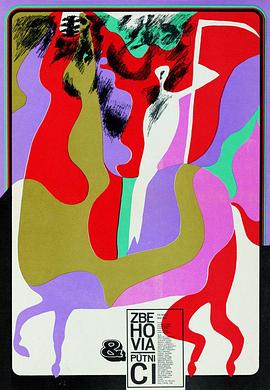
背信者与流浪汉 Zbehovia a pútnici
影片分三章代表三次战争:WWI、WWII和虚构的WWIII:
THE DESERTER (segment I) - A film against violence. A young soldier escapes from the horror of battlefield towards his country village, only to find violence there too, symbolised by the bloody killing of a pig.
SUNDAY (segment II) - Czechoslovakia during World War II. A farm is occupied by Russian partisans trying to sabotage Nazi troops in the n...
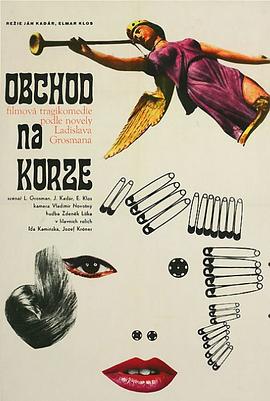
大街上的商店 Obchod na korze
1942年,沦陷的斯洛伐克某小镇上,德国人正在主持修建庞大的木制纪念碑,但当地木匠托尼(Jozef Króner 饰)对此并不关心,妻子的唠叨已经让他足够烦恼。托尼的妹妹嫁给军官后生活大有改观,托尼也借妹夫的权利,获赠一纸批文,得到了大街边一家犹太商店的所有权。店主是一位78岁的犹太寡妇劳特曼(Ida Kaminska 饰),耳聋眼花,托尼与她夹缠不清之际始发现这家商店徒有空壳,早已没有多少货物,然而照顾劳特曼可以得到犹太组织的酬劳,托尼于是瞒着妻子在店中帮工,对外却宣称自己是店长。不久,德国人开始把犹太人收押后运往集中营,托尼想要藏起劳特曼,但心中经历着巨大的煎熬。商店外,犹太人在纪念碑下集中出发,商店内,托尼面对不明所以的老妇借酒浇愁……
本片获1966年奥斯卡最佳外语片奖。

红酒 Cervené víno I-II
An epic saga of the Habdza family of vineyard keepers set in western Slovakian countryside at the beginning of the 20th century. Director Andrej Lettrich's novel adaptation talks of plotting, forbidden love, family discord, and struggle for heritage and power. The story is engaging thanks to the impressive performances of popular actors, dramatic situations, and sensitive music...

鸟,孤儿和愚人 Vtáčkovia, siroty a blázni
导演其实在开篇的旁白里就已经说出了故事的结局,电影是一出悲剧。但却是以喜剧的形式讲述的。
三名孤儿,安德列、尤里克与玛尔塔。其实都是成年人,但他们的行为却如孩子般天真。三人住在一所战争中被炸毁的教堂里。有趣的是,这所教堂竟然还有个房东,他也是个孤儿。胖胖的,可爱的老头, 贪吃、爱玩,喜欢弹钢琴。安德列与尤里克本是好友,但自从犹太女孩玛尔塔到来之后,他们的关系变得异常微妙。尤里克无缘由地被抓进监狱。一年出狱后,发现已经是物是人非。他们的将来会何去何从呢?
片中的鸟儿,是指人死后灵魂的象征物;愚人,也可以说是“傻瓜”,是指那些在战争中失去理智的疯子或者被别人称为是有理性的那些人。
剧中经常出现不合常理、超现实的人物、场景。
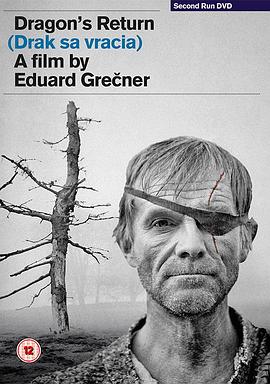
德拉克的回归 Drak sa vracia
与Stefan Uher和Elo Havatta一样,Eduard Grecner也是60年代斯洛伐克新浪潮电影的缔造者之一。他的三部影片《一周七天》(1964)《尼绒月亮》(1965)和这部《徳拉克的回归》都是斯洛伐克新浪潮电影的代表作。这部叙事方法独特带有明显意识流风格的黑白影片甚至间接影响到了后来法国导演格里耶在捷克拍摄的两部影片《说谎的人》和《Eden and After》。
A special place in the development of feature films is reserved for Eduard Grecner, the creator of just one good film, Dragon Returns (Drak sa vracia, 1967), titled after the nickname of...